October 28, 2026
Dental Implants and Bruxism: Managing Teeth Grinding Risks
By @dominickdjer374
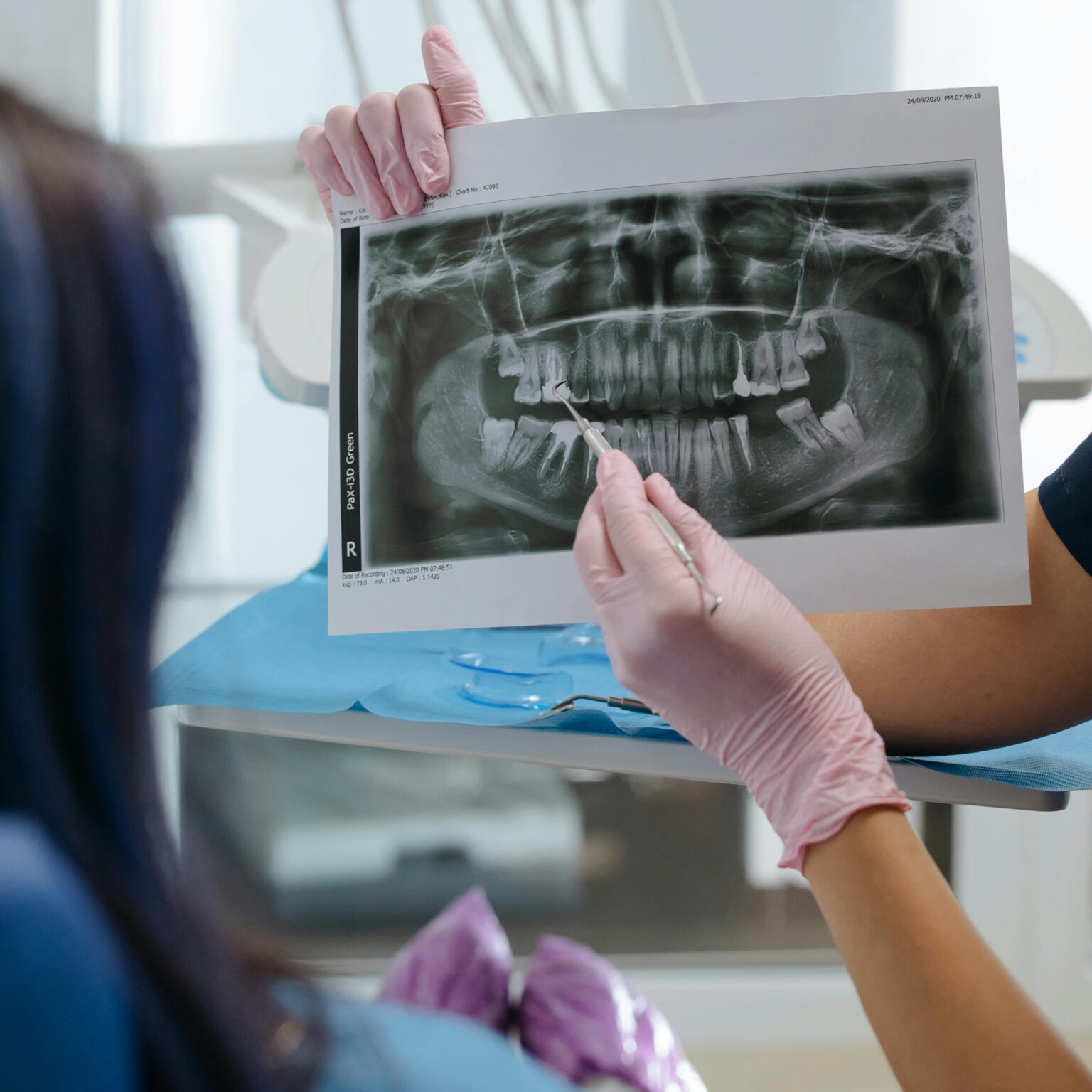
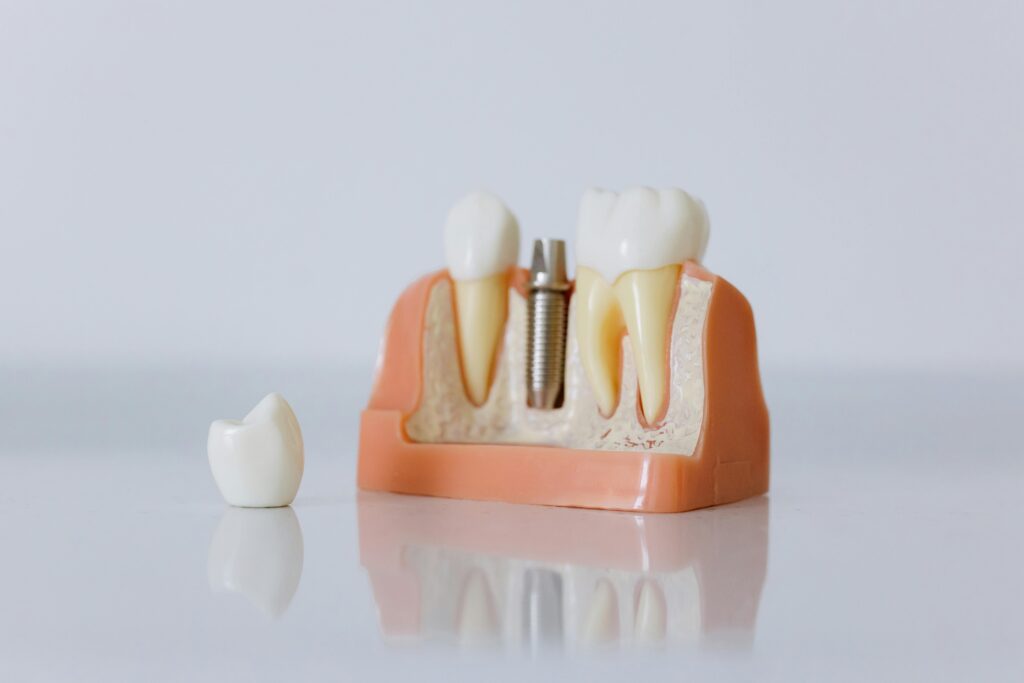
Dental implants have changed the outlook for people who have lost teeth, but they do not erase the forces that caused trouble in the first place. Bruxism, whether it shows up as nighttime grinding, daytime clenching, or both, can place intense pressure on teeth, restorations, jaw joints, and implant components. That does not mean a person who grinds cannot have implants. It does mean the case needs careful planning, realistic expectations, and ongoing protection.
This is where the conversation often gets too simplistic. Patients are sometimes told that implants are stronger than natural Dental Implants teeth, so there is little to worry about. Others hear the opposite, that grinding automatically disqualifies them. Neither view reflects how these cases actually play out in practice. Dental implants can serve heavy grinders very well, but only when the diagnosis is honest and the bite is managed with discipline.
Why grinding matters more with implants
A natural tooth has a periodontal ligament, a thin cushion of connective tissue that sits between the tooth root and bone. That ligament absorbs some shock and gives the nervous system feedback about pressure. An implant does not have that same cushion. Once it integrates with bone, it functions as a rigid anchor. That stability is a major advantage, but it also means force is transferred differently.
When someone clenches or grinds, the pressure can be surprisingly high. During a normal meal, chewing forces are intermittent and directional. Bruxism is different. It often involves prolonged loading, side-to-side rubbing, and repetitive strain during sleep, when the patient has no awareness and no ability to self-correct. If those forces land on an implant crown, the crown itself may survive, but the screw, abutment, porcelain, surrounding bone, or the opposing tooth can pay the price.
I have seen patients who never felt a thing and assumed everything was fine, only to return with a loosened implant crown or a fractured porcelain surface months later. Bruxism is often silent until something breaks. That is one reason implant planning in grinders has to start before placement, not after complications appear.
Bruxism does not always announce itself
Many patients say, “I do not grind my teeth,” and they genuinely believe it. A bed partner may hear it, but plenty of people clench without making noise. Others have worn their teeth down gradually over years and no longer notice symptoms because the process feels normal to them.
A patient with significant bruxism may report morning jaw tightness, tension headaches near the temples, or sensitivity in the chewing muscles. Another may report none of those things, yet the examination shows flat wear facets, small enamel cracks, scalloping on the sides of the tongue, or a thickened jaw muscle. Some people only discover the habit after chipping a filling or cracking a molar.
For implant treatment, that hidden pattern matters. If the dentist overlooks heavy parafunction, the implant may be restored like an average-risk case when it is not one. That mismatch is where trouble starts.
Common clues that bruxism is part of the picture
- Flattened or shortened natural teeth, especially canines and molars
- Chipped enamel, cracked fillings, or repeated crown fractures
- Soreness in the jaw muscles, especially on waking
- A history of clenching during stress or concentration
- Indentations on the tongue or a noticeable enlargement of the masseter muscles
No single sign proves everything, but the overall pattern often becomes clear once the history and exam are put together.
The risks are real, but they are not all the same
When people hear “implant failure,” they often imagine the implant itself falling out. That can happen, but it is not the most common grinding-related problem. In many cases, the implant remains integrated while the parts attached to it take the hit.
Mechanical complications are frequent in patients with strong bite forces. These can include screw loosening, abutment wear, crown fracture, ceramic chipping, or repeated damage to the opposing teeth. I have also seen implant crowns that look excellent on the x-ray yet show clear signs of overload in the mouth, such as polished wear spots or fractured veneer.
Biologic complications are another category. Excessive force alone does not create plaque-induced peri-implant disease, but overload can aggravate a vulnerable situation. If oral hygiene is weak, inflammation is present, and the implant is taking repeated off-axis force, the margin for long-term stability narrows. Bone loss around an implant is rarely caused by one factor alone. More often, it is the result of force, inflammation, anatomy, and maintenance interacting over time.
Then there is the issue of the rest of the mouth. An implant can sometimes outlast the natural teeth around it. In a severe grinder, that is not always a victory. If untreated bruxism continues, adjacent teeth may crack, opposing restorations may wear down, and the patient can end up in a cycle of repair even if the implant itself survives.
The first decision is not the implant, it is the diagnosis
Good implant treatment in a grinder begins with a detailed workup. That sounds obvious, but it is often rushed. The clinician needs to know more than whether a tooth is missing. They need to understand why it was lost, what the bite looks like now, how the patient functions under load, and how reliable the patient will be with follow-up care.
If the missing tooth was lost because of trauma or decay, the planning pathway may differ from a tooth that fractured after years of heavy clenching. If several posterior teeth are already worn flat and the jaw muscles are enlarged, that tells a different story from an isolated front tooth replacement in an otherwise balanced bite.
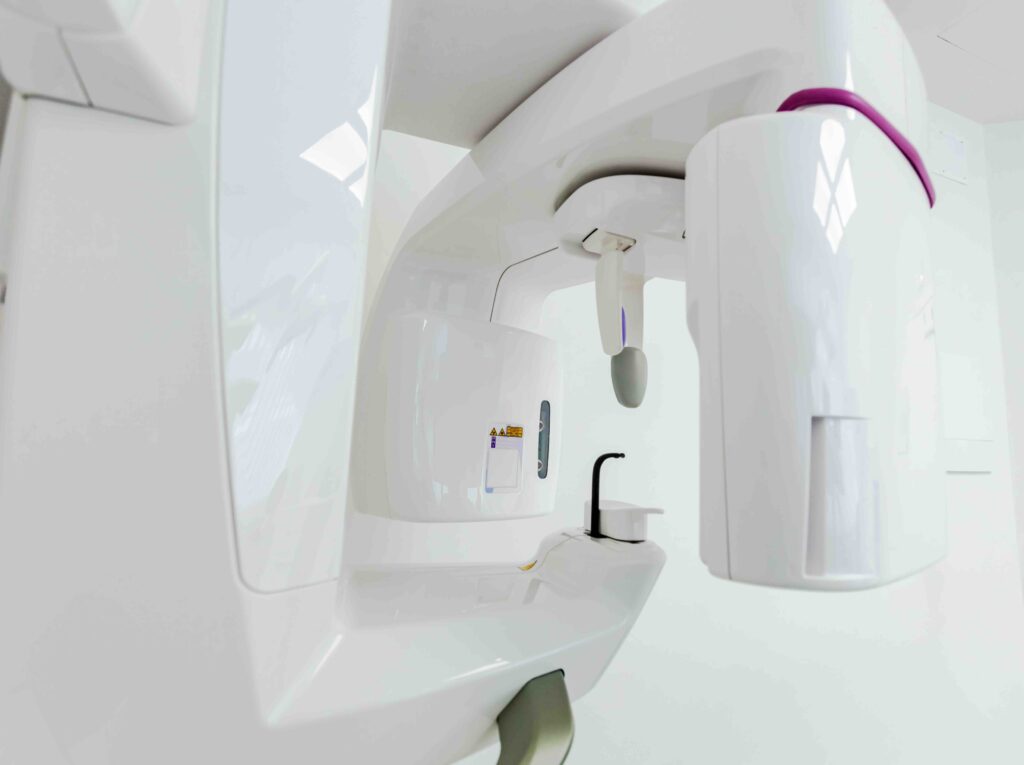
Imaging matters, but photos and mounted models can be just as revealing. Small wear patterns, limited restorative space, and crossbite relationships often explain future complications better than a single scan does. In some cases, the best decision is to treat the grinding pattern and stabilize the bite before moving ahead with implant placement.
Timing can make or break the outcome
Not every patient needs the same sequence. Some can proceed directly to implant placement with a protection plan in mind. Others should pause and address urgent issues first. That might include managing active periodontal disease, replacing broken restorations that destabilize the bite, or restoring worn teeth to create a more predictable chewing scheme.
Patients with severe untreated bruxism sometimes benefit from a staged approach. The clinician can observe how a provisional restoration behaves, refine the bite, and identify high-force contacts before the final crown is made. This is especially valuable in full-arch or multiple-implant cases, where even minor occlusal errors can become expensive problems.
A rushed final restoration is one of the most common mistakes in high-force patients. It is tempting to celebrate once osseointegration is confirmed and move straight to the definitive crown. But the final prosthesis is exactly where the grinding forces show themselves. A little patience at this stage can save years of repairs.
Implant design choices matter
There is no universal implant recipe for bruxism, but certain principles consistently help. Wider implants may improve force distribution when anatomy allows. Longer implants can add stability in some situations, though available bone quality and anatomy are more important than simply chasing length. In posterior zones with high load, using more than one implant to support a larger restoration may reduce stress compared with asking a single implant to do too much.
The restorative design matters just as much as the fixture in the bone. Occlusal tables are often kept narrower in heavy grinders to reduce leverage. Cusps may be shaped to minimize lateral interferences. The goal is not to create a flat, nonfunctional bite. It is to reduce damaging side forces while preserving comfortable chewing.
Material selection deserves careful thought. Monolithic zirconia is often chosen because it resists fracture well, but strength is not the only consideration. If the bite is poorly managed, a very hard material can transfer damage to the opposing dentition. Layered ceramics can look beautiful, especially in visible areas, but they may chip under heavy parafunction. Sometimes the most durable choice is not the most esthetic, and sometimes a small esthetic compromise is worth years of stability. That trade-off should be discussed openly before treatment begins, not after the first repair.
The bite is not a minor detail
Occlusion can sound abstract to patients until they understand what it means in real life. It is simply the pattern of contact between upper and lower teeth, including implants, during closure and movement. In a person who grinds, small discrepancies become large problems because the contacts repeat thousands of times.
An implant crown that hits slightly too hard in centric closure may feel fine during a brief chairside check. At night, under full clenching force, that same spot can act like a hammer. Lateral contacts are even more significant. Many dentists aim to reduce or eliminate excursive overload on implant crowns, especially in posterior regions. That does not mean every implant should be completely out of function. It means the contacts must be intentional, balanced, and rechecked after the patient adapts.
This is one reason follow-up visits after delivery are so important. The bite the day a crown is inserted is not always the bite one month later. Muscles adapt, opposing teeth settle, and a patient may start loading the restoration with more confidence once tenderness fades. Small refinements early on can prevent larger failures later.
Night guards are useful, but they are not magic
Patients often ask whether a mouthguard solves the problem. It helps, often substantially, but it does not stop bruxism at its source. A properly made occlusal guard can protect implant restorations by distributing forces, reducing direct tooth-to-tooth wear, and limiting catastrophic fracture. It can also protect natural teeth, which is just as important.
The key phrase is properly made. A soft over-the-counter guard may feel comfortable at first, but in some clenching patients it encourages more chewing activity. A custom hard acrylic appliance, designed for the patient’s bite and adjusted over time, generally offers more predictable protection. The appliance should fit accurately, seat fully over the relevant teeth, and be reassessed periodically as restorations change.
Some patients stop wearing their guard because they think the implant is “strong enough now.” That is usually when problems start. Grinding does not retire itself because the crown looks stable at six months. The guard is part of the long-term treatment, not a short-term accessory.
Practical habits that reduce implant stress
- Wear a custom night guard consistently if your dentist prescribes one
- Return for bite checks, especially in the first months after the final crown is placed
- Report even small changes such as a new click, a rough edge, or a feeling that one tooth hits first
- Limit habits that load the teeth, such as chewing ice, pens, or very hard foods
- Address stress-related daytime clenching by learning to keep the jaw relaxed and teeth slightly apart
These steps are simple, but they are often the difference between a restoration that lasts quietly and one that enters a cycle of repair.
Full-arch and multiple-implant cases deserve extra caution
A single implant crown in a moderate grinder is one thing. Full-arch implant rehabilitation in a severe grinder is another. The stakes rise because force is concentrated across a larger prosthesis, and any imbalance can affect many components at once.
In these cases, prosthetic design, framework rigidity, material thickness, and maintenance planning become central. Acrylic hybrid prostheses can be repaired more easily, but they may wear or fracture over time. Zirconia full-arch restorations can be extremely durable, yet they are unforgiving if the bite is off or if opposing teeth are vulnerable. There is no perfect material. The right decision depends on force patterns, esthetic goals, finances, and the patient’s willingness to maintain the restoration.
I have seen excellent long-term outcomes in severe grinders with full-arch implant work, but those successes usually share the same traits: careful provisionalization, regular maintenance, a faithfully worn night guard, and a patient who understands that this is a high-value restoration requiring supervision, not a one-time purchase.
What patients should ask before moving forward
Many implant consultations focus on whether enough bone is present and how long healing will take. Those questions matter, but a grinder should also ask how the dentist plans to manage force. That discussion reveals whether the case has been thought through.
Ask whether the clinician sees signs of clenching or grinding, how those signs affect implant design, what crown material is being considered, and what kind of protective appliance will be needed. It is also reasonable to ask what type of complications are most likely in your specific case. An honest answer is far more useful than reassurance that “everything should be fine.”
If the provider dismisses bruxism as unimportant, that is a warning sign. Not because the case is impossible, but because heavy-force implant dentistry demands attention to details that can be easy to overlook in a routine workflow.
When other treatment may need to come first
Some patients are not ready for definitive implants the day they ask for them. That can be frustrating, but it is often the correct call. If the remaining teeth are breaking down, the gum condition is unstable, or the bite has collapsed from years of wear, placing implants into that environment without broader planning can lock in a flawed system.
There are times when a patient benefits from periodontal treatment first, or from rebuilding worn teeth in key areas before implant restoration. In other cases, short-term provisional appliances help reveal how the jaw functions and whether symptoms improve once the bite is reorganized. This kind of pre-implant stabilization may feel like a detour, but it often prevents a far costlier detour later.
Maintenance is part of the treatment, not an afterthought
A well-integrated implant can still fail as a practical restoration if it is not monitored. For bruxism patients, maintenance visits are where screws are checked, bite contacts are refined, guards are inspected, and wear patterns are read before they become fractures.
I encourage patients to think of implant maintenance the way they would think of tire rotation on a car that carries heavy loads. The system may be built well, but use creates Oaks Dental Dental Implants patterns, and patterns need correction. Waiting for pain is a poor strategy because many implant-related issues are painless in the early stages.
Hygiene matters too. The strongest implant restoration in the world cannot compensate for persistent inflammation around the tissues. Professional cleaning intervals vary by patient, but grinders with implants often benefit from closer observation than the average recall schedule.
The long view
Dental implants and bruxism can coexist successfully. I have seen patients with decades of service from implant restorations despite a strong grinding history. I have also seen beautifully placed implants develop repeat complications because the bite was never truly controlled and the protective guard spent most nights in a bathroom drawer.
The long-term winner is rarely the patient with the “strongest implant.” It is the patient with the best diagnosis, the most thoughtful restorative plan, and the most consistent follow-through. Bruxism turns implant treatment into a force-management problem. Once that is understood, the decisions become clearer.
Dental implants are a reliable solution for missing teeth, but in a grinder they are not a plug-and-play replacement. They are part of a larger system that includes muscles, joints, habits, materials, and maintenance. Respect that system, and implants can perform very well. Ignore it, and even a technically excellent implant can be pushed into preventable trouble.
Oaks Dental
5000 Parkway Calabasas Suite 308
Calabasas, CA 91302, United States
+1 818-431-2000
FAQ About Dental Implants
What is the downside of a dental implant?
Implants require surgery and a healing period that can last several months. Possible complications include infection, nerve or sinus injury, damage to nearby teeth and failure to bond with bone. Your dentist should assess your health, bone support and alternatives before recommending treatment.
What do dental implants typically cost?
There is no single price for every implant case. The number of teeth replaced, implant components, final restoration and any grafting or extractions affect the total. Request a written estimate covering every stage and confirm insurance benefits and out-of-pocket costs with the practice.
How long do tooth implants last?
An implant can provide long-term support and may last a lifetime with good oral hygiene and regular dental care, but this is not guaranteed. The crown or other restoration may need replacement sooner. Smoking, gum disease and some health conditions can reduce implant success.
❧