October 28, 2026
How Dental Implants Support Better Speech and Chewing
By @dominickdjer374

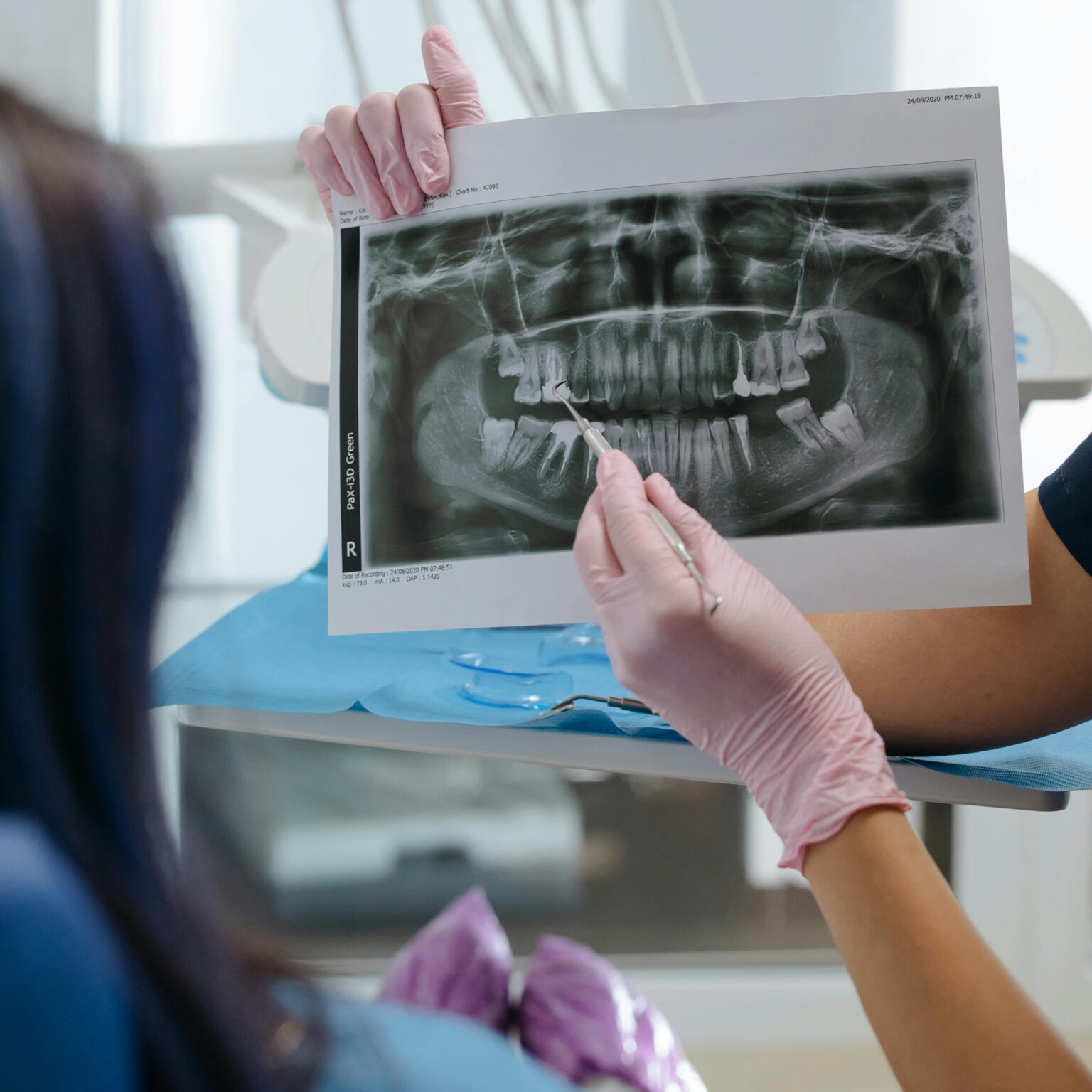
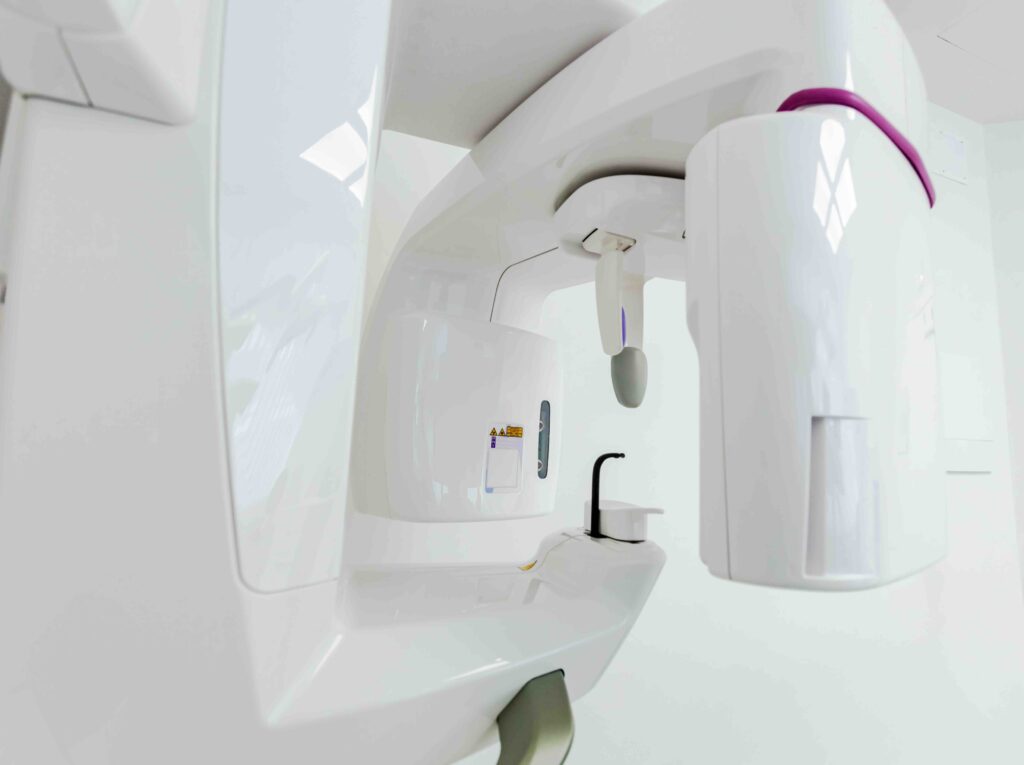
Missing teeth change more than a smile. They alter the mechanics of daily life in ways people often do not expect until they start compensating without thinking. Speech becomes less precise. Certain foods turn into work. Meals take longer. People shift food to one side, avoid crusty bread or steak, and become self-conscious about words that used to come easily. Over time, those small accommodations add up.
Dental Implants matter in this conversation because they do more than fill a visible gap. When they are properly planned and restored, they can help rebuild the stability that natural teeth once provided. That stability has a direct effect on how a person bites, chews, and forms sounds. The improvement is not magic, and it is not identical for every patient, but in the right case it can be substantial.
What makes this topic worth unpacking is that speech and chewing are both highly coordinated activities. They rely on bone, muscles, tongue position, lip support, jaw movement, and tooth contact working together. Replace one missing tooth poorly, and the whole system can remain off-balance. Replace it well, and the system often settles into something that feels far more natural.
Why missing teeth disrupt normal function
A tooth is not just a hard structure sitting in the mouth. It acts as a contact point, a guide, and a support. Neighboring teeth lean on it to maintain spacing. Opposing teeth rely on it to share bite forces. The tongue and cheeks register where it sits during speech. Remove that tooth, and the mouth does not simply ignore the loss.
Chewing is usually the first change patients notice in practical terms. If a back tooth is missing, especially a molar, food may not grind efficiently on that side. A person may start chewing almost entirely on the opposite side. That can work for a while, but it often creates uneven wear, muscle fatigue, or sensitivity from overuse. If several teeth are missing, the problem becomes less about preference and more about function. Tough, fibrous foods become difficult to break down. Pieces remain larger when swallowed, which can affect comfort and digestion.
Speech changes can be subtler, but they are very real. Certain consonants depend on teeth as reference points. Sounds such as "s," "f," "v," "th," and "z" can become distorted if air escapes differently or if the tongue no longer meets the right surface. Front teeth are especially important here. A gap in the anterior region may cause a lisp or a whistling sound, or simply make speech feel less controlled. Even when listeners do not consciously notice, the speaker often does.
There is also the issue of bone. Once a tooth is lost, the jawbone in that area begins to shrink over time because it no longer receives stimulation through the tooth root. That gradual resorption can affect the shape of the ridge and, eventually, the fit of the lips and cheeks. In long-standing tooth loss, function and facial support become intertwined.
What makes Dental Implants different from other replacements
Traditional bridges and removable dentures can restore appearance and offer useful function. They have an important place in dentistry, and in some cases they are the best option. But implants behave differently because they replace the root as well as the visible crown.
A dental implant is placed in the jawbone, where it integrates with the bone and creates a stable anchor. Once healed, it supports a crown, bridge, or denture. That anchorage is what changes the patient experience. Because the restoration is fixed and supported from within the bone, it tends to feel more secure during speech and chewing than an appliance that sits on the gums or depends heavily on adjacent teeth.
That does not mean every implant restoration feels identical to a natural tooth. Natural teeth have a periodontal ligament, which provides a very fine level of sensory feedback. Implants do not have that same ligament. Still, many patients report that implant-supported restorations feel significantly more natural than removable options, especially once they adapt.
From a functional standpoint, two advantages matter most. First, implants help preserve bone by transmitting force into the jaw. Second, they reduce movement. Both factors support clearer speech and stronger chewing efficiency.
The speech connection is more mechanical than many people realize
People often assume speech is mostly about the tongue and vocal cords. Teeth seem secondary until one goes missing. In practice, the mouth is a carefully shaped acoustic chamber. Tiny changes to tooth position, contour, and spacing can alter sound production.
Front teeth play a major role in fricative and sibilant sounds. When someone says "f" or "v," the lower lip contacts the upper front teeth. If those teeth are absent or poorly positioned in a replacement, the sound can come out airy or muted. "S" and "z" sounds are even more sensitive. They depend on precise airflow and tongue placement near the front teeth. If there is too much space, speech may whistle. If the contours are too bulky, the tongue may struggle to find a consistent path.
This is one reason prosthetic design matters as much as the implant itself. A stable implant in the wrong position, or a crown that is too long, too thick, or incorrectly angled, can interfere with speech instead of helping it. The best results come from planning that considers phonetics, not just bone volume and appearance.
Clinically, it is common to see a patient adapt quickly when a single missing front tooth is restored with a well-shaped implant crown. They often describe the change in simple terms: words stop feeling awkward. They stop catching themselves before certain sounds. The improvement is not only audible but also psychological. Confidence returns because they are no longer monitoring their mouth every time they speak.
For patients who have worn a removable partial denture, the contrast can be striking. Removable appliances may shift slightly, especially during faster speech or laughter. Even minimal movement can make a speaker more cautious. Implant-supported restorations eliminate much of that instability, which tends to reduce self-consciousness.
Chewing improves because stability changes everything
Chewing is a force-management problem. The mouth has to capture food, position it, break it down, and move it safely toward swallowing. Teeth with solid support do this far better than teeth that are missing, mobile, or replaced with an unstable prosthesis.
An implant-supported crown or bridge gives the jaw a fixed contact point again. That matters most in the posterior region, where the heavy grinding happens. When a molar is replaced, patients can often return to a wider range of foods because they can generate and distribute force more evenly. Instead of tearing food awkwardly with front teeth or pushing everything to one side, they can chew in a more balanced pattern.
This balanced function protects more than convenience. It can reduce strain on the opposite side of the mouth, help prevent excessive wear on remaining teeth, and lessen the habit of avoiding healthy foods that require more chewing. Raw vegetables, nuts, meats, apples, and whole grains often disappear from a patient's diet after tooth loss, especially if dentures move or sore spots develop. Restoring stable chewing surfaces can reopen those choices.
There is also a timing issue. People with compromised dentition tend to chew more slowly and sometimes less effectively, meaning larger fragments are swallowed. While chewing alone does not determine digestion, proper breakdown in the mouth is still useful. Saliva mixes more thoroughly with food, and swallowing becomes more comfortable. Patients often mention this in ordinary language rather than technical terms. They say meals feel easier, less tiring, and more normal.
Single-tooth implants versus full-arch implant treatment
Not all implant cases are alike. The effect on speech and chewing depends heavily on how many teeth are missing and what type of restoration is used.
A single-tooth implant usually offers the most straightforward functional gain. If a patient has lost one molar, restoring it often improves chewing symmetry. If they have lost one front tooth, phonetics may improve quickly, provided the crown contours are carefully shaped. Adaptation tends to be relatively simple because the rest of the natural dentition remains as a guide.
Multiple implants supporting a bridge can also produce excellent function, especially when several adjacent teeth are missing. The challenge in these cases is designing contacts and contours so the bridge integrates smoothly with the remaining bite. A restoration that is technically stable but slightly off in occlusion can create soreness or awkward chewing until adjusted.
Full-arch implant treatment deserves special mention because expectations can run high. For patients moving from conventional dentures to implant-supported full-arch prostheses, the jump in stability can be life-changing. Many can chew foods they had avoided for years, and they speak with less fear of denture movement. Still, these cases require adaptation. A full-arch prosthesis changes tongue space, tooth position, and bite relationship. Speech may improve dramatically, but it often takes a period of practice to relearn certain sounds.
Patients sometimes expect same-day perfection if they receive immediate temporary teeth on implants. In reality, speech with a temporary prosthesis may differ from speech with the final one. Fine details such as tooth length, incisal edge position, and bulk behind the front teeth often need adjustment. This is normal, not a sign of failure.
Why planning and prosthetic design matter as much as surgery
It is easy to focus on the surgical placement of implants because that is the dramatic part of treatment. But the long-term benefit for speech and chewing depends just as much on where the implant is placed and how the final restoration is made.
Position matters in three dimensions. Too far toward the lips or cheeks, and the crown may become bulky or difficult to clean. Too far toward the tongue, and speech can feel cramped. Too shallow or too deep, and the gum contour may become awkward. In the front of the mouth, even small errors can affect both appearance and phonetics.
Occlusion, the way teeth meet, also deserves careful attention. A crown that contacts too heavily can feel high and sore. A crown with too little contact may look good but contribute less to chewing efficiency. The goal is not merely to fill space. Dental Implants The goal is to restore function in harmony with the rest of the mouth.
This is where experience shows. In well-planned implant cases, a great deal of thought goes into trial smiles, bite records, and provisional restorations. These steps may seem tedious to patients eager for the finish line, but they often make the difference between a restoration that simply looks acceptable and one that genuinely supports daily function.
Adaptation is real, even with excellent treatment
One of the most helpful things to tell patients is that improvement does not always feel immediate, even when the treatment is excellent. The mouth is adaptable, but it needs time.
A patient who has chewed on one side for five years will not necessarily switch back to bilateral chewing on day one. The muscles have habits. The brain has habits too. Likewise, someone who has learned to pronounce certain sounds around a missing front tooth or a loose denture may need a short period of conscious practice to speak naturally again.
Most of this adaptation happens without formal therapy. People eat, talk, and recalibrate. Occasionally, especially in larger restorative cases, speech exercises or simple repetition out loud can help. Reading aloud, speaking slowly for a few days, and practicing challenging sounds can speed adjustment.
Some temporary sensations are common. Food may initially feel different against the new crown. The bite may seem unusual until the tongue accepts the new contours. That is not the same thing as persistent discomfort, looseness, or pain, which should be evaluated promptly. The key distinction is whether the sensation gradually fades or consistently interferes with function.
Practical signs an implant restoration is supporting function well
A successful implant restoration usually shows itself in ordinary moments rather than dramatic ones. Patients stop thinking about the area. They chew there without hesitation. Their speech sounds clear to them. They stop avoiding photographs from certain angles and stop scanning menus for the softest option.
A few signs tend to appear when things are going well:
- Chewing becomes more even from side to side
- Speech feels less effortful, especially with front-tooth replacements
- The restoration stays stable during meals and conversation
- The surrounding gums remain comfortable and easy to clean
- Food choices widen without persistent soreness afterward
These markers matter more than marketing phrases or idealized before-and-after photos. Function in real life is the standard that counts.
Where expectations need to stay realistic
Dental Implants can offer excellent support for speech and chewing, but they are not a perfect substitute in every circumstance. There are trade-offs, and an honest discussion is better than a sales pitch.
If bone loss has been severe, additional grafting may be needed before implant placement. That extends treatment time and cost. If the patient grinds heavily, the restoration may require a night guard and very careful bite design. If gum tissue is thin or scarred, the final esthetic and phonetic result may be more limited than the patient hopes, particularly in the front of the mouth.
Medical history matters too. Smoking, uncontrolled diabetes, certain medications, and prior radiation therapy can influence healing and implant success. None of those factors automatically rule out treatment, but they do change the risk picture.
There is also the maintenance question. Implants do not decay, but they can develop peri-implant inflammation if plaque accumulates. A patient who expects implants to be a set-it-and-forget-it solution is likely to be disappointed. Daily cleaning, regular checkups, and professional maintenance are part of keeping function stable over the long term.
For some people, a well-made conventional denture or bridge may still be the more appropriate choice. That does not mean implants are ineffective. It means dentistry works best when treatment matches anatomy, health, budget, and goals.
The role of maintenance in preserving speech and chewing gains
The functional benefits of implants are not earned once and then locked in forever. They depend on the health of the tissues around them and the integrity of the restoration itself.
If plaque accumulates around an implant, the gums can become inflamed and bleed. If that inflammation progresses, bone support may be affected. Even before serious damage occurs, tenderness can make a patient avoid chewing on that side again. A restoration with a chipped surface, loosened screw, or worn bite can also start to compromise function subtly. Speech may not change much at first, but chewing comfort often does.
Most patients do well when they receive specific home-care guidance rather than generic advice. Cleaning around implants often requires attention to the shape of the crown and the spacing near the gumline. Some need floss threaders, others use interdental brushes, and some benefit from a water flosser as a supplement. The right method depends on the prosthetic design.
Regular follow-up matters because minor issues are easier to correct early. A small bite adjustment or hygiene intervention can preserve years of comfortable use.
A patient perspective that often goes unspoken
When people talk about tooth replacement, they usually mention appearance first because it is visible and easy to explain. Function often turns out to be the deeper source of relief. Being able to order what you want at dinner without planning around your mouth is liberating. So is speaking in a meeting, on a phone call, or during a family event without wondering whether a word will whistle or a denture will shift.
That emotional ease is closely tied to mechanics. Stability changes behavior. Once the mouth feels dependable again, people stop editing themselves around a dental problem. That is one of the quiet strengths of implants when they are well executed. They restore confidence by restoring ordinary actions.
Choosing the right path
Anyone considering Dental Implants for speech or chewing concerns should look for a clinician who discusses function in detail, not just implant placement. The conversation should include how you currently chew, whether certain words feel difficult, what foods you avoid, and what type of restoration is being proposed. Photos and scans help, but so does listening carefully to the patient's lived experience.
A thoughtful evaluation usually covers several points:
- Which teeth are missing and how long they have been absent
- How the current bite distributes force
- Whether bone and gum conditions support the planned implant position
- What type of final restoration will be used
- What level of maintenance will be required afterward
These details may feel technical, but they shape whether the final result simply fills a space or genuinely improves day-to-day function.
What better function can look like in daily life
The best implant outcomes rarely announce themselves with drama. They show up when someone bites into a sandwich without shifting it to the other side. They show up when a person says their own name, or the word "seven," or "fifty-five," and it sounds crisp again. They show up when dinner lasts for conversation rather than careful maneuvering.
That is the practical value of Dental Implants. By restoring stable support where support has been lost, they can help reestablish the mechanics of speech and chewing. The mouth works more predictably. The jaw works more evenly. The person using that mouth can get on with life with a little less effort, and often with a lot more comfort.
Oaks Dental
5000 Parkway Calabasas Suite 308
Calabasas, CA 91302, United States
+1 818-431-2000
FAQ About Dental Implants
What is the downside of a dental implant?
Implants require surgery and a healing period that can last several months. Possible complications include infection, nerve or sinus injury, damage to nearby teeth and failure to bond with bone. Your dentist should assess your health, bone support and alternatives before recommending treatment.
What do dental implants typically cost?
There is no single price for every implant case. The number of teeth replaced, implant components, final restoration and any grafting or extractions affect the total. Request a written estimate covering every stage and confirm insurance benefits and out-of-pocket costs with the practice.
How long do tooth implants last?
An implant can provide long-term support and may last a lifetime with good oral hygiene and regular dental care, but this is not guaranteed. The crown or other restoration may need replacement sooner. Smoking, gum disease and some health conditions can reduce implant success.
❧