October 28, 2026
Single Tooth Dental Implants: What You Should Know
By @dominickdjer374
Losing one tooth can feel oddly disproportionate to the size of the problem. It is a single space, after all. Yet one missing tooth can change the way you chew, the way you smile in photographs, and sometimes the way you carry yourself in conversation. In practice, I have seen people adapt to that gap quickly on the surface while quietly changing habits around it, chewing on one side, avoiding certain foods, smiling with their lips closed, or putting off treatment because the area is not visible unless they laugh.
A single tooth dental implant is often one of the most predictable ways to replace that missing tooth without involving the neighboring teeth. That point matters more than many patients realize at first. Traditional options can work well, but they may require reshaping healthy adjacent teeth or relying on a removable appliance that shifts under function. A well-planned implant is designed to stand on its own, much like a natural tooth root, and support a crown that looks and functions like the tooth that was lost.
That said, implants are not interchangeable products and they are not simple plug-and-play procedures. Good outcomes come from diagnosis, timing, bone quality, gum health, bite design, and patient habits. If you are considering a single tooth implant, it helps to understand what the treatment actually involves, where the trade-offs are, and what can make the difference between a result that merely fills a space and one that feels natural for years.
Why a single missing tooth deserves attention
When one tooth is lost, especially in the back of the mouth, people often assume they can live without it. Sometimes they can, at least for a while. The issue is not always immediate pain. The issue is slow change.
Teeth are part of a system. Remove one, and the neighboring teeth can begin to drift into the empty space. The opposing tooth can over-erupt because it no longer has contact to stop it. Biting forces shift. Food traps become more common. In the front, the consequences are more obvious because speech, smile line, and appearance are involved. In the back, the problem may stay hidden until a patient notices it has become harder to clean the area or their bite feels uneven.
This is one reason Dental Implants changed restorative dentistry so significantly. They gave clinicians a way to replace a tooth root, not just the visible crown. That root replacement helps preserve function and, in many cases, helps maintain the surrounding bone better than simply leaving the site empty.
What a single tooth implant actually is
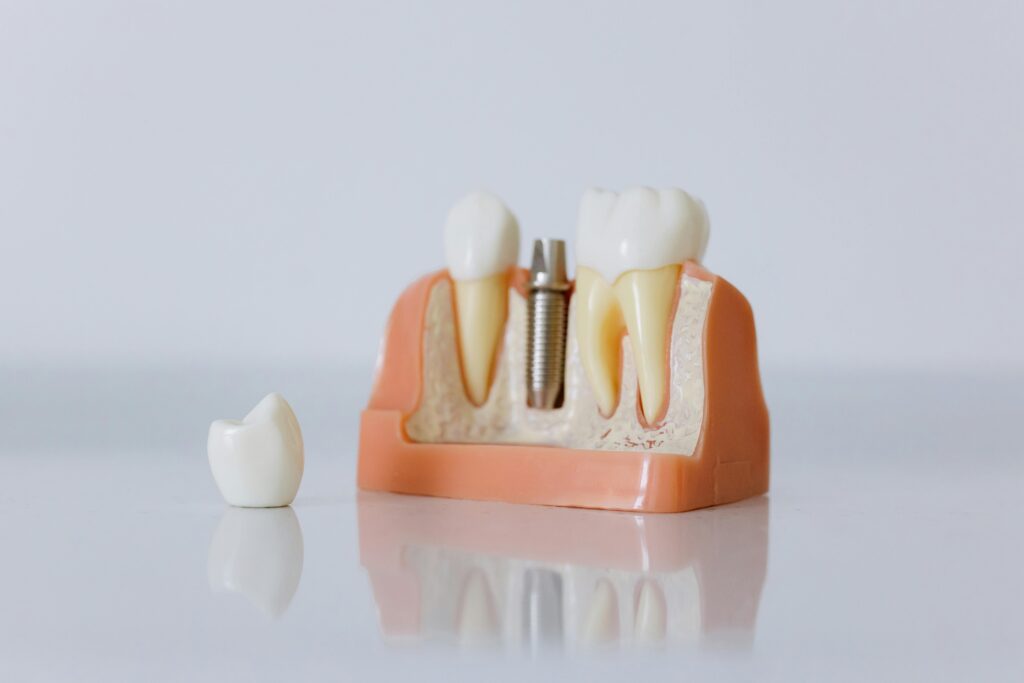
A single tooth implant has three basic components. The implant itself is a small post, usually made of titanium or a titanium alloy, that is placed in the jawbone. It serves as the artificial root. After healing, a connector called an abutment is attached. Then a custom-made crown is secured to that abutment.
From the patient’s point of view, the crown is the part you see. From the biological point of view, the implant and the surrounding bone are the foundation. That distinction matters because many of the questions patients ask about appearance are really questions about bone volume, gum shape, and implant position.
Placement is not simply about filling the center of a gap. The implant must be positioned with enough consideration for the final crown, the neighboring teeth, the thickness of the bone, and the shape of the gums. A beautifully integrated implant placed in the wrong angle can still create a crown that traps food, looks long, or feels slightly off in the bite.
Who tends to be a good candidate
Most healthy adults with a missing tooth can at least be evaluated for an implant, but suitability depends on more than age. I have seen excellent outcomes in older adults with careful home care and stable medical conditions, and disappointing outcomes in younger patients who smoked heavily or ignored gum disease.
A dentist or specialist usually looks at the following factors before recommending treatment:
- enough bone height and width to support the implant, or a realistic path to build that bone if needed
- healthy gums, with any active periodontal disease treated first
- a bite pattern that will not overload the implant crown
- medical stability, especially for conditions that affect healing or infection risk
- commitment to follow-up care and daily cleaning
None of these points automatically rule treatment in or out. They shape the plan. A patient with limited bone may still be an implant candidate after grafting. A patient who clenches may still receive an implant, but the crown design and use of a night guard become more important. A smoker may still proceed, but the discussion should be blunt about increased risks to healing and long-term tissue health.
Timing matters more than people think
One of the most common misconceptions is that you either place an implant immediately on the day of extraction or you wait indefinitely. In reality, timing is more nuanced, and the right choice depends on infection, bone condition, soft tissue anatomy, and the appearance demands of the site.
In some cases, an implant can be placed immediately after the tooth is removed. This can reduce the number of surgical visits and sometimes help preserve tissues, particularly when the front tooth is involved. But immediate placement is technique-sensitive. It is not a shortcut. If the socket has significant infection, missing bone walls, or unfavorable anatomy, immediate placement may increase the difficulty of achieving a good esthetic result.
In other situations, the site is allowed to heal for several weeks or months before implant placement. Sometimes a bone graft is placed at the time of extraction to preserve the ridge. This is especially common when a tooth has been missing for a long time or when the outer bone plate is thin, which often happens in the upper front area. Delayed placement can offer more predictable soft tissue management in the right case.
Patients often ask which route is better. The honest answer is that better depends on the starting conditions, not on marketing language. The most elegant plan is the one that respects the biology of the site.
The role of bone and gum tissue
People tend to focus on the implant as if it were the star of the show, but the surrounding tissue often determines whether the final result looks convincing. Bone supports the implant. Gum tissue frames the crown. If either one is lacking, the restoration can function yet still look compromised.
This becomes especially important for front teeth. A central incisor implant that is secure but surrounded by receded gum tissue can look longer than the neighboring tooth. Black triangles can appear between teeth if the tissue contour is not supported. Achieving symmetry in that part of the mouth is demanding work.
Back teeth present a different challenge. Appearance is less critical, but chewing force is greater. Molars often require wider implants or specific restorative planning because the crown itself is broad. Sometimes two roots of a natural molar are being replaced by one implant, which means the bite must be designed carefully to avoid overloading the implant over time.
Bone grafting is not a sign that treatment has gone wrong. It is often part of good planning. If the ridge has collapsed after extraction, grafting may rebuild enough width or height for proper implant placement. The healing period can test a patient’s patience, but it often pays off in a more stable, better-looking outcome.
What treatment usually feels like
A surprising number of patients say the anticipation was worse than the procedure. For a routine single implant, the surgery is commonly done with local anesthetic, much like a tooth extraction or filling, though sedation may be offered for anxious patients. Pressure is normal. Sharp pain should not be.
After placement, most people report soreness, swelling, and some tenderness for a few days. Many return to work the next day, especially if the surgery was straightforward and no extensive grafting was done. The experience is often less dramatic than people fear, but that does not mean recovery should be treated casually. Smoking, vigorous rinsing, neglecting soft foods in the early period, or skipping prescribed instructions can interfere with healing.
Healing also happens in stages. The gum surface may look fine in a week or two, but integration between the implant and bone takes longer. Depending on the case, the implant may heal for a few months before the final crown is made. Some systems allow earlier loading, and temporary restorations can sometimes be placed sooner, especially in visible areas, but speed should be earned by the biology of the case.
The crown matters as much as the surgery
Patients sometimes assume the implant surgery is the whole story. It is not. The crown phase is where comfort, cleansability, appearance, and bite function are refined.
A single implant crown should not simply fill space. It should contact neighboring teeth properly, allow floss to pass with slight resistance, meet the opposing tooth in a controlled way, and support the gum tissue without creating pressure. The color and translucency matter too, especially in the front. Matching a single front tooth can be one of the hardest tasks in restorative dentistry because natural teeth are rarely one flat shade.
There is also the question of how the crown is attached. Some crowns are screw-retained, meaning they are secured directly to the implant or abutment with a small screw. Others are cement-retained. Each method has advantages and trade-offs. Screw-retained crowns are easier to retrieve for maintenance. Cement-retained crowns can sometimes offer esthetic or angulation advantages. Excess cement left below the gumline, however, has been associated with inflammation around implants, so careful technique is essential.
Comparing implants with bridges and removable options
A single implant is not the only way to replace one tooth. A conventional bridge remains a reasonable treatment in selected cases, especially when the neighboring teeth already need crowns. A removable partial option may be considered when finances, anatomy, or medical factors make an implant impractical.
The major advantage of a single implant is independence. It does not rely on adjacent teeth for support. That preserves tooth structure. It also tends to feel more like an individual tooth rather than a shared appliance. Patients who have had both often describe the implant as more natural during chewing.
The trade-off is that implant Dental Implants treatment usually takes longer and may cost more upfront. It is also a surgical procedure, which means healing variables and anatomical limitations matter. A bridge can often be completed faster. Yet over the long term, the economics are not always simple. If healthy adjacent teeth are cut down for a bridge, those teeth enter a restorative cycle that can lead to future repair or replacement. Implants have their own maintenance needs, but they do not require sacrificing untouched enamel on neighboring teeth.
Cost, and why quotes can vary so much
Single tooth implant fees can differ significantly from one practice to another, and not always for suspicious reasons. One quote may include the extraction, grafting, temporary tooth, abutment, final crown, and follow-up imaging. Another may list only the surgical placement of the implant. Patients understandably compare the bottom line, Dental Implants but the details matter.
Materials, laboratory quality, digital planning, specialist involvement, grafting needs, and complexity of the site all affect cost. A straightforward implant in dense lower bone is not the same case as replacing an upper front tooth with thin tissue, prior infection, and a need for a highly esthetic provisional crown.
The cheapest option can become expensive if revisions are needed. That does not mean the highest quote is automatically the best. It means clarity matters. Ask what is included, what is provisional, what could change if grafting is needed, and who is responsible for each phase of care.
Risks patients should understand clearly
Dental implants have high success rates, but they are not risk-free. The most responsible implant conversations are the ones that include the unglamorous parts.
Early failure can happen if the implant does not integrate with bone. Infection, poor initial stability, smoking, uncontrolled systemic disease, and heavy biting forces can contribute. In other cases, the implant integrates but later develops inflammation in the surrounding tissues, often called peri-implant mucositis or peri-implantitis, depending on severity. Poor cleaning, residual cement, a history of gum disease, and smoking are recurring themes in these cases.
There are also site-specific risks. In the upper back jaw, the sinus may limit implant length or require augmentation. In the lower jaw, the nerve position matters greatly. In the esthetic zone, the main risk may not be failure of the implant itself, but disappointment with tissue contour or symmetry. A technically successful implant can still be an esthetic compromise if the starting anatomy is unfavorable or the planning is inadequate.
Good clinicians discuss these issues before treatment, not after.
When the front tooth is missing, esthetics lead the conversation
Replacing a front tooth is a different category of treatment from replacing a back molar. The public tends to think of implants as a straightforward mechanical fix. In the smile zone, they are also soft tissue architecture projects.
Even subtle tissue changes can be visible. The height of the gum margin, the shape of the papilla between teeth, and the thickness of the tissue all affect how natural the final crown appears. If the neighboring tooth is natural and the implant crown is highly polished and perfect but the gum line is a millimeter too high, the eye catches it immediately.
That is why temporary restorations are sometimes used to shape the tissue during healing. It is also why patients replacing a front tooth may need more than one stage of refinement before the final crown is delivered. This can feel slow, but the patience usually serves the result.
Maintenance is not complicated, but it is not optional
One of the most persistent myths is that an implant cannot decay, so it does not need much attention. It is true that the implant itself will not get a cavity. The tissue around it, however, can absolutely become inflamed or infected.
Daily cleaning is straightforward once the crown contour is correct. Many patients do well with a soft toothbrush, floss designed for implant care, or small interdental brushes if the space allows. The key is access. If the crown is bulky or the contact areas are poorly designed, cleaning becomes harder, which is one reason restorative details matter so much.
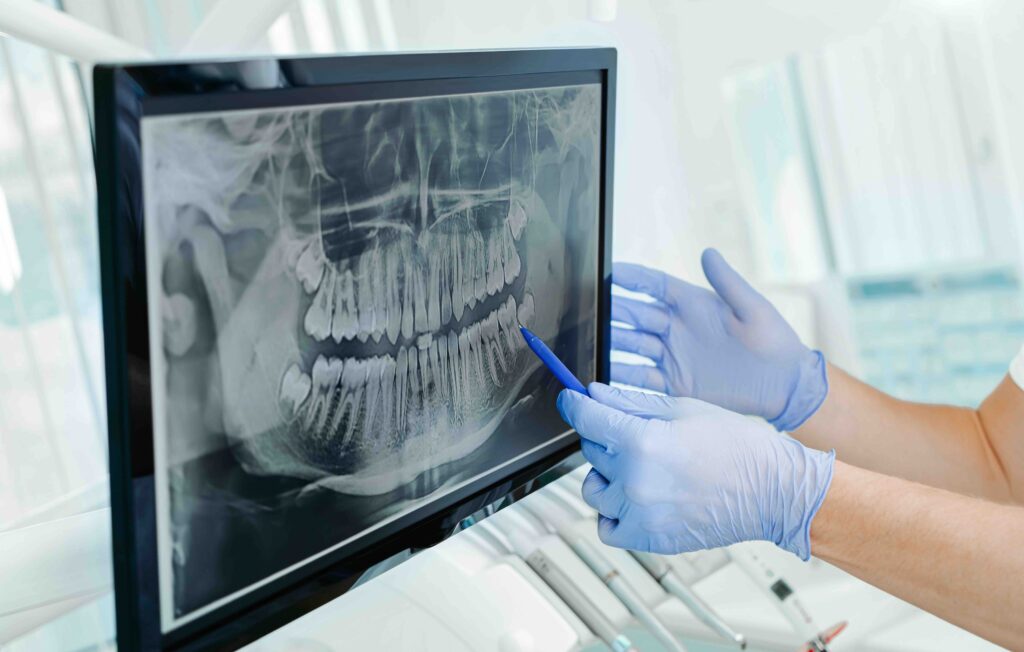
Professional maintenance matters too. Patients with implants should have regular examinations and cleanings, with periodic radiographs as recommended. Clinicians look for changes in bone level, bleeding, pocket depth, loosening, or wear patterns in the bite. These are not dramatic appointments, but they can catch problems before they become expensive ones.
Questions worth asking before you commit
The best implant consultations are conversations, not sales pitches. If a recommendation feels rushed or vague, slow it down. A few clear questions can reveal how carefully the case has been thought through.
- am I a straightforward candidate, or do you see risks related to bone, gums, bite, or health history
- will I likely need bone grafting or soft tissue grafting, and why
- what temporary tooth options do I have while the implant heals
- who will place the implant and who will make the final crown
- what does the fee include, and what situations could add cost later
Notice that none of these questions are aggressive. They are practical. They invite the clinician to explain the logic behind the plan. A confident, thoughtful answer is usually more reassuring than a promise that everything will be easy.
A few situations where an implant may not be the right first move
There are cases where the best decision is to pause, not proceed. Active periodontal disease is one. If the gums around the remaining teeth are inflamed and bone loss is ongoing, placing an implant into that environment is unwise. The disease process needs control first.
Another situation is severe clenching or grinding that has not been addressed. Implants lack the periodontal ligament that natural teeth have, so they do not absorb force in exactly the same way. This does not mean grinders cannot have implants. It means force management is part of the treatment, often with a night guard and careful occlusal design.
Financial reality matters too. Some patients are better served by staging care sensibly rather than forcing a rushed implant under pressure. I have seen patients do very well by preserving the site, using a temporary solution, and returning for implant placement once the broader treatment plan and budget are settled.
What tends to make long-term results better
Long-term success with single tooth Dental Implants rarely depends on one heroic step. It is the sum of many ordinary things done well. Careful diagnosis. Respect for bone and soft tissue. Good implant positioning. A crown shaped for hygiene and bite stability. Honest patient education. Consistent maintenance after delivery.
Patients who do best are not always the ones with the most ideal anatomy. Often they are the ones who understand the process, keep their follow-up visits, and treat the implant like a valuable restoration rather than a permanent appliance that can be forgotten.
A single tooth implant can be one of the most satisfying treatments in dentistry because, when it is done thoughtfully, it disappears into daily life. You stop thinking about the missing tooth. You eat normally. You smile without editing yourself. The result should not feel artificial or precious. It should feel uneventful, which is often the highest compliment restorative treatment can earn.
If you are weighing your options, look for a plan that explains not only how the space will be filled, but how the surrounding bone, gums, bite, and maintenance will be managed over time. That is usually the difference between replacing a tooth and truly restoring it.
Oaks Dental
5000 Parkway Calabasas Suite 308
Calabasas, CA 91302, United States
+1 818-431-2000
FAQ About Dental Implants
What is the downside of a dental implant?
Implants require surgery and a healing period that can last several months. Possible complications include infection, nerve or sinus injury, damage to nearby teeth and failure to bond with bone. Your dentist should assess your health, bone support and alternatives before recommending treatment.
What do dental implants typically cost?
There is no single price for every implant case. The number of teeth replaced, implant components, final restoration and any grafting or extractions affect the total. Request a written estimate covering every stage and confirm insurance benefits and out-of-pocket costs with the practice.
How long do tooth implants last?
An implant can provide long-term support and may last a lifetime with good oral hygiene and regular dental care, but this is not guaranteed. The crown or other restoration may need replacement sooner. Smoking, gum disease and some health conditions can reduce implant success.
❧