October 28, 2026
What Are Implant-Supported Dentures?
By @dominickdjer374
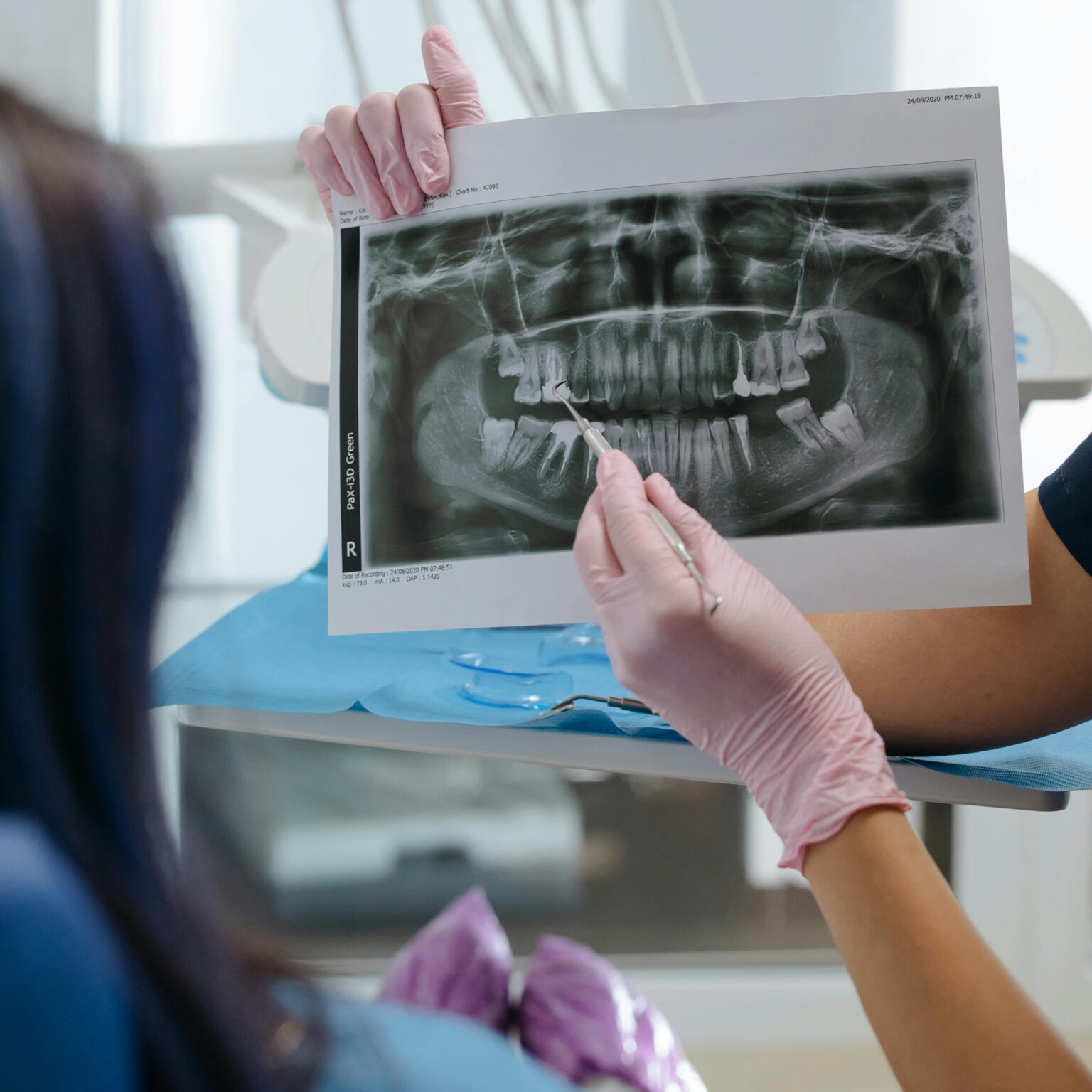
Implant-supported dentures are full or partial dentures that attach to dental implants placed in the jawbone, rather than resting only on the gums. That simple change alters almost everything about how a denture feels, functions, and ages over time. For many patients, the difference shows up first at mealtimes. Foods that once felt risky, apples, steak, crusty bread, can become manageable again. Speech often improves too, especially for people who have spent years trying to keep a lower denture from lifting or sliding.
Traditional dentures still have an important place in dentistry. They can be well made, affordable, and appropriate for many people. But they rely on the shape of the jaw ridge and the suction created between the denture base and the tissues. That setup works better in the upper jaw than in the lower jaw. The lower denture sits on a much smaller surface, competes with the tongue and cheek muscles, and often becomes less stable as the jawbone shrinks over time. Implant-supported dentures were developed largely to solve those practical, everyday problems.
The phrase itself covers more than one treatment design. Some implant dentures snap in and out for cleaning. Others are fixed in place and can only be removed by a dentist. Some use as few as two implants. Others use four, six, or more. The best option depends on anatomy, health history, bite force, budget, and expectations. That is why it helps to understand not just what implant-supported dentures are, but how they work and where they fit among other tooth replacement choices.
How they work in the mouth
A dental implant is a small post, oaksdentistry.com Dental Implants usually made of titanium, that is placed into the jawbone to act like an artificial tooth root. After placement, the bone gradually bonds to the implant in a process called osseointegration. Once the implant is stable, it can support an attachment that connects to a denture.
The key benefit is support and retention. A conventional denture sits on soft tissue and can move under pressure. An implant-supported denture gains anchor points in bone. That anchor does not just help the denture stay put, it also changes how chewing forces are distributed. Patients often describe the sensation as feeling more secure, more natural, and less bulky, even if the denture itself still has some acrylic base.
There are two broad categories. A removable implant overdenture snaps onto implants and can be taken out daily. A fixed implant-supported denture stays in place all the time and is removed only for maintenance by the dental team. Both are supported by implants, but the lived experience is different.
A removable overdenture can be an excellent middle ground. It offers much better stability than a conventional denture while keeping cleaning straightforward. This is often the option that brings the biggest quality-of-life jump for someone who has struggled with a loose lower denture for years. A fixed prosthesis usually feels closest to having teeth that stay in all day and all night, but it demands more investment, more implants, and careful hygiene around the underside of the bridge.
Why patients ask for them
Most people do not start by asking for an implant-supported denture by name. They come in with specific frustrations. Their lower denture rocks when they talk. They avoid restaurants because they worry the denture will lift. They use adhesive every day and still do not trust it. Or they are tired of the progressive bone loss that leaves dentures looser every few years.
There is also an emotional side that should not be minimized. Denture instability affects confidence in quiet, repeated ways. People change what they eat. They laugh differently. They become hyperaware of mouth movement during conversations. A stable prosthesis can relieve that constant background stress.
Function matters too. Dentures that move tend to rub. Rubbing leads to sore spots. Sore spots lead to reduced wear time, softer diets, and a cycle of frustration. Implant support interrupts that cycle for many patients. It does not create a perfect substitute for natural teeth, but it often creates a much more usable one.
The main types you will hear about
The terminology can get confusing because practices use slightly different language. It helps to separate the options by whether the denture is removable or fixed, and by the attachment system used.
Here are the designs most commonly discussed in real treatment planning:
- Implant-retained overdenture: Usually removable by the patient and attached with snaps, locator attachments, or a bar.
- Implant-supported overdenture: Also removable, but designed so the implants carry more of the chewing load rather than only helping with retention.
- Fixed full-arch prosthesis: A full set of teeth attached to several implants and removed only by the dentist.
- Bar-supported denture: A custom bar connects implants, and the denture clips onto that bar for added stability.
- Ball or locator attachment denture: Individual attachments on each implant allow the denture to seat with a snapping action.
In conversation, patients often use these terms interchangeably. Clinically, the differences matter because they affect cost, maintenance, cleaning, and what kind of movement the denture allows under pressure.
Upper and lower jaws are not the same story
One of the biggest misunderstandings in this area is the assumption that the upper and lower jaw behave the same way. They do not. The lower denture is usually the problem child. Even a nicely made lower conventional denture can feel unstable because the bone ridge is smaller and the tongue is constantly working against it. For that reason, two-implant lower overdentures have become a common and very effective treatment option.
The upper jaw is more complicated. It often has softer bone, and the anatomy includes the sinuses, which can limit implant placement unless bone grafting is performed. At the same time, an upper conventional denture can often achieve decent suction if the ridge shape and saliva are favorable. So the decision to place implants in the upper jaw is not always driven by retention alone. It may be about preserving bone, reducing the size of the palate coverage, or improving chewing performance.
Patients who want a fixed upper prosthesis sometimes need more implants than they expected. That is not upselling. It is often a consequence of bone quality, force distribution, and the need for long-term structural support.
What the treatment process usually looks like
Implant denture treatment rarely happens in one visit. It unfolds in stages, and the timeline varies with bone volume, healing speed, and whether extractions are involved.
A typical sequence looks something like this:
- Evaluation and planning: Exam, medical history review, imaging, and discussion of goals, limits, and finances.
- Extractions or preparatory treatment: If unhealthy teeth remain, they may need to come out first. Some patients also need grafting.
- Implant placement: The implants are placed surgically into the jawbone.
- Healing and integration: Bone bonds to the implants over several weeks to several months, depending on the case.
- Attachment of the denture: The final overdenture or fixed prosthesis is made and connected once the implants are ready.
That sequence sounds neat on paper, but real cases often have wrinkles. A patient may wear a temporary denture during healing. Another may be a candidate for immediate loading, where a temporary fixed set of teeth is attached soon after implant placement. Someone with long-standing denture wear may need more gum and bite adjustments than expected, because the mouth has adapted to years of compensation.
Candidacy is more nuanced than many people think
Many adults who wear dentures are candidates for dental implants, but not everyone is a candidate right away. Bone quantity and quality matter. So does general health. Conditions like uncontrolled diabetes, heavy smoking, certain immune disorders, or a history of radiation to the jaws can complicate healing and increase risk. They do not automatically rule treatment out, but they change the conversation.
Medications can matter too. Some drugs that affect bone metabolism require special consideration. Dry mouth, severe clenching, and untreated periodontal disease in remaining teeth also influence planning.
Age by itself is not the deciding factor. It is common to see healthy older adults do very well with implant-supported dentures. On the other hand, a younger patient with uncontrolled medical issues or unrealistic expectations may not be the best candidate at that time.
Bone loss deserves special mention. People who have been edentulous for many years often have significant ridge resorption, especially in the lower jaw. That bone loss does not always prevent implants, but it may reduce the number, size, or position of implants that can be used without grafting. Sometimes patients arrive expecting a fixed full-arch solution and learn that a removable implant overdenture is the more realistic choice. That can feel like a disappointment until they understand how much improvement even a simpler implant design can provide.
What they feel like day to day
This is where clinical diagrams give way to real life. The day-to-day feel of implant-supported dentures is what most patients care about. The answer depends heavily on the design.
A removable overdenture still has some acrylic bulk, and on the upper arch it may still cover part of the palate. It can still trap food to some degree. It still needs to be taken out and cleaned. But when properly made, it usually feels much more stable than a regular denture. Patients often notice they can bite into foods instead of cutting everything into small pieces first. They may speak with less self-monitoring. They often use less or no adhesive.
A fixed prosthesis usually offers the strongest psychological benefit because it does not come out at night. That said, fixed does not mean maintenance-free. Food can pack under the bridge. Floss threaders, water flossers, and specialized brushes become part of daily life. Some patients love the permanence. Others discover that a removable overdenture would have suited them better because cleaning is simpler.
One practical point that gets overlooked is bite force. Even with implants, the sensation of pressure is different from that of natural teeth because implants do not have the same periodontal ligament feedback. Some patients tend to overdo it at first because the new teeth feel so secure. That can lead to wear, loosening of components, or soreness in the supporting tissues. A careful adjustment phase matters.
Benefits that are real, and benefits that are overstated
The real benefits are substantial. Stability improves. Chewing efficiency usually improves. Social confidence often improves. Lower dentures in particular can become dramatically more usable with just two implants. Bone preservation around the implant sites is another important advantage, though it does not stop all jawbone remodeling everywhere in the arch.
At the same time, implant-supported dentures are not magic. They do not feel exactly like natural teeth. They do not eliminate maintenance. They do not guarantee that every hard or sticky food will be comfortable. They also do not prevent every future issue related to bone loss, gum changes, or aging.
Marketing sometimes oversimplifies this treatment as a permanent once-and-done replacement. That is not how experienced clinicians describe it. These restorations are durable, but they include components that wear. Retentive inserts on locator attachments may need periodic replacement. Acrylic teeth can wear or fracture. Screws may need retightening. Relines, repairs, and hygiene visits are part of ownership.
Cost, value, and what drives the price
Costs vary widely by region and case complexity, but the price is driven by more than the number of implants. Imaging, surgical planning, extractions, grafting, temporary dentures, attachment systems, lab work, and the material used for the final prosthesis all matter. A two-implant lower overdenture is in a very different category from a fixed full-arch bridge on four to six implants.
Patients sometimes compare prices online and get confused because the quoted terms are not equivalent. A practice may advertise a low starting number that covers only implant placement, not the final prosthesis. Another may bundle surgery, temporaries, and follow-up visits. The cheapest figure on a screen is often not the true treatment total.
Value depends on what problem is being solved. For a patient whose upper denture already fits well but whose lower denture is unstable, adding two lower implants can be one of the highest-value treatments in prosthodontics. It is not the most glamorous version of implant dentistry, but it can be life changing. On the other hand, some patients are better served by replacing an ill-fitting conventional denture with a better conventional denture first, especially if finances are tight and expectations are modest.
Maintenance is where long-term success lives
Implant-supported dentures succeed or fail in the long run partly because of daily care. Plaque does not spare implants. The tissues around implants can become inflamed if cleaning is poor. In removable overdentures, the attachments must be kept clean, and the denture should be removed as instructed. In fixed cases, patients need to clean under the bridge carefully every day.
Regular maintenance visits matter because problems often start small. A worn attachment may show up first as slight looseness. A pressure spot may begin as a minor sore area. A small fracture line in acrylic may be repairable if caught early. Left alone, these issues become more expensive and more disruptive.
Nighttime habits matter too. A heavy grinder can stress implants and prosthetic components. Some patients benefit from a night guard, especially with fixed restorations. Smoking remains a major risk factor for implant complications, reduced healing, and gum inflammation.
Common trade-offs patients should understand
The best treatment choice is rarely the one with the flashiest name. It is the one that fits the mouth, the budget, and the patient’s habits.
A removable overdenture usually costs less, cleans more easily, and can be a very smart solution for someone with reduced dexterity or limited bone. A fixed prosthesis may feel more natural in social situations and may offer stronger chewing confidence, but it is usually more expensive and harder to clean underneath.
There are also esthetic trade-offs. Some patients with advanced bone loss need a prosthesis that replaces not just teeth, but also lost gum and lip support. In those cases, a bulkier design is not poor craftsmanship, it is what restores facial contours and speech. People who expect tiny, natural-tooth-shaped replacements after major bone loss are often surprised by the amount of prosthetic structure required.
Questions worth asking before you commit
A consultation should not feel rushed, and the answers should be specific to your mouth. If you are considering implant-supported dentures, ask about expected maintenance, how the prosthesis will be cleaned, what happens if an implant fails, and whether grafting is likely. Ask to see how much acrylic or replacement gum will show when you smile. Ask what kind of temporary teeth you will wear during healing, if any.
It is also reasonable to ask your dentist where this option sits relative to a new conventional denture or a fixed bridge. Good treatment planning is comparative. If every patient is steered to the same product, something is missing.
When they make the most sense
Implant-supported dentures make particular sense for patients who are unhappy with the stability of conventional dentures, especially lower dentures, and who want a meaningful functional upgrade without necessarily replacing every tooth with an individual implant crown. They are also a strong option for people who have lost most or all of their teeth and want better retention, more chewing confidence, and a more predictable fit over time.
They can be transformative for the right person. Not because they are trendy, but because they solve very specific problems that conventional dentures often cannot solve well. The best results come from careful planning, realistic expectations, and a maintenance routine that matches the design chosen.
At their core, implant-supported dentures are exactly what the name suggests: dentures made better by anchoring them to bone through dental implants. For many patients, that support is the difference between simply wearing teeth and truly using them.
Oaks Dental
5000 Parkway Calabasas Suite 308
Calabasas, CA 91302, United States
+1 818-431-2000
FAQ About Dental Implants
What is the downside of a dental implant?
Implants require surgery and a healing period that can last several months. Possible complications include infection, nerve or sinus injury, damage to nearby teeth and failure to bond with bone. Your dentist should assess your health, bone support and alternatives before recommending treatment.
What do dental implants typically cost?
There is no single price for every implant case. The number of teeth replaced, implant components, final restoration and any grafting or extractions affect the total. Request a written estimate covering every stage and confirm insurance benefits and out-of-pocket costs with the practice.
How long do tooth implants last?
An implant can provide long-term support and may last a lifetime with good oral hygiene and regular dental care, but this is not guaranteed. The crown or other restoration may need replacement sooner. Smoking, gum disease and some health conditions can reduce implant success.
❧